
Budapest to Beograd Central: Trains, Buses, Fares, Today's Connections, Routes, Duration, Types of Trains, Station Guides, Tips, Journey
Hungary Train Tickets
Scan QR code, download App to see Budapest's more live update, station guide, plan and photos



Train schedule Budapest to Beograd Central(Beograd Centar)
Popular train routes departing from Budapest
* Parndorf Bhf Central(Parndorf Bhf (Main))
* Brno Central(Brno Hl.N.)
* Ljubljana
* Vienna Erdberg (U3)(Wien Erdberg (U3))
* Florence(Firenze)
* Bratislava
* Warszawa Central Station(Warszawa Centralna)
Popular train routes arriving in Budapest
* Краков Гловны(Kraków Główny)
* Неймеген(Nijmegen)
* ЗАГРЕБ(Zagreb)
* северный железнодорожный вокзал бухареста B (басараб, бухарест)(Bucuresti Nord Gara B (Basarab,Bucharest))
* Split
* цюрих Hb(Zürich Hb)
* Мёнхенгладбах(Mönchengladbach Hbf)
Popular train routes departing from Beograd Central(Beograd Centar)
Popular train routes arriving in Beograd Central(Beograd Centar)
* Paris Avenue Foch
* Milán(Milano)
* Novi Sad
* Vídeň Hlavní Nádraží(Wien Hbf)
* Pěkné Město(Nice Ville)
* Lublaň(Ljubljana)
* Hlavní Nádraží Ve Stuttgartu(Stuttgart Hbf)
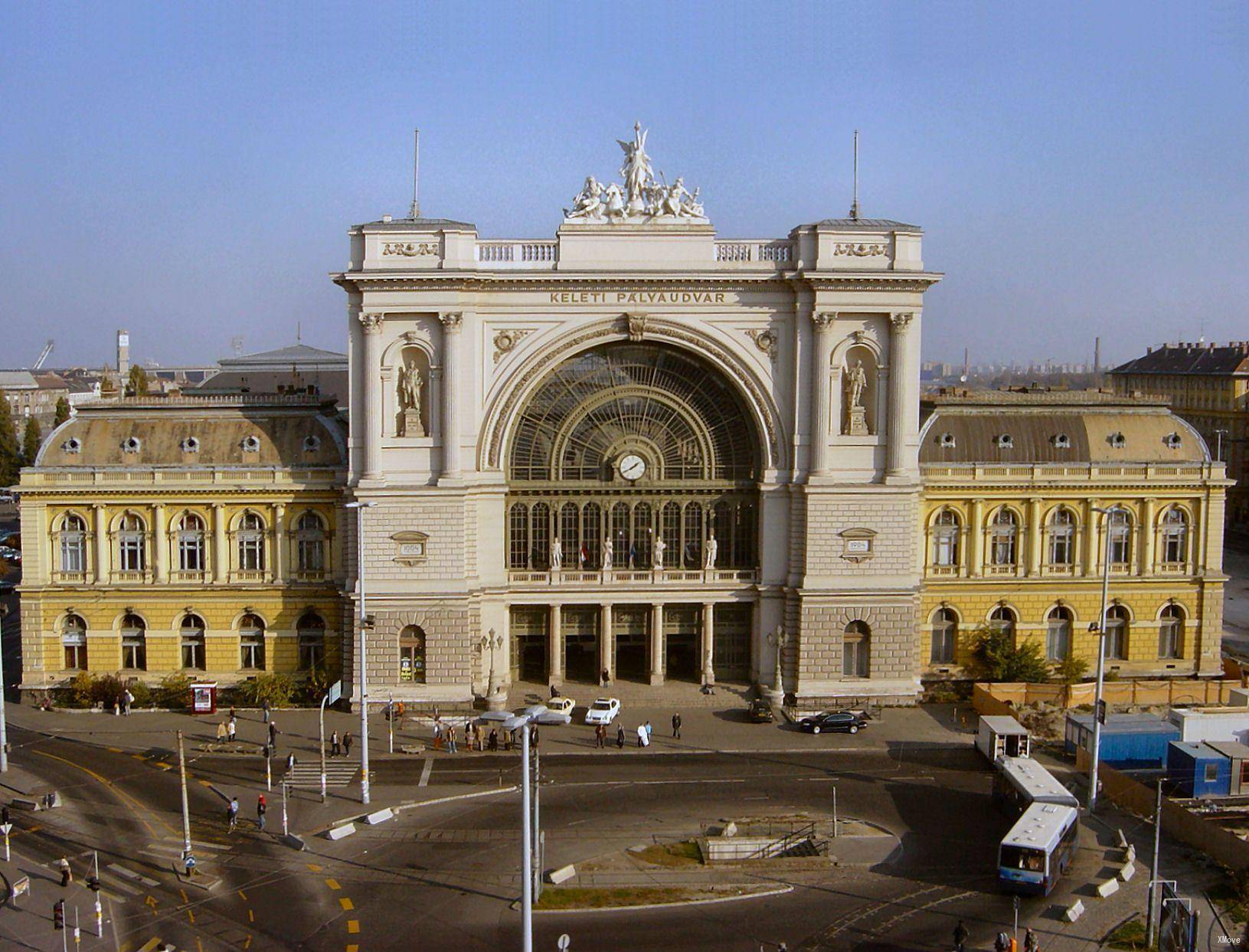
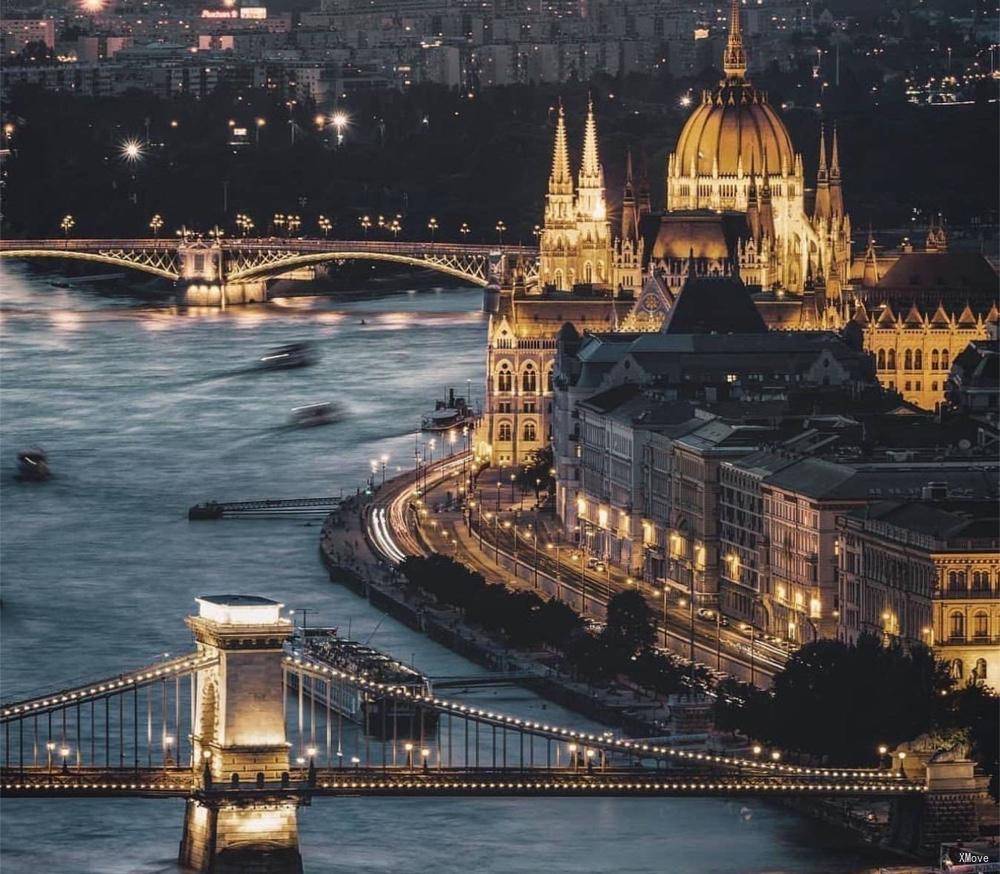
Budapest (, Hungarian pronunciation: [ˈbudɒpɛʃt]) is the capital and the most populous city of Hungary, and the tenth-largest city in the European Union by population within city limits. The city has an estimated population of 1,752,286 over a land area of about 525 square kilometres (203 square miles). Budapest is both a city and county, and forms the centre of the Budapest metropolitan area, which has an area of 7,626 square kilometres (2,944 square miles) and a population of 3,303,786, comprising 33% of the population of Hungary.The history of Budapest began when an early Celtic settlement transformed into the Roman town of Aquincum, the capital of Lower Pannonia. The Hungarians arrived in the territory in the late 9th century. The area was pillaged by the Mongols in 1241. Buda, the settlements on the west bank of the river, became one of the centres of Renaissance humanist culture by the 15th century. The Battle of Mohács, in 1526, was followed by nearly 150 years of Ottoman rule. After the reconquest of Buda in 1686, the region entered a new age of prosperity. Pest-Buda became a global city with the unification of Buda, Óbuda, and Pest on 17 November 1873, with the name 'Budapest' given to the new capital. Budapest also became the co-capital of the Austro-Hungarian Empire, a great power that dissolved in 1918, following World War I. The city was the focal point of the Hungarian Revolution of 1848, the Battle of Budapest in 1945, and the Hungarian Revolution of 1956.Budapest is an Alpha − global city with strengths in commerce, finance, media, art, fashion, research, technology, education, and entertainment. It is Hungary's financial centre and was ranked as the second fastest-developing urban economy in Europe. Budapest is the headquarters of the European Institute of Innovation and Technology, the European Police College and the first foreign office of the China Investment Promotion Agency. Over 40 colleges and universities are located in Budapest, including the Eötvös Loránd University, the Semmelweis University and the Budapest University of Technology and Economics. Opened in 1896, the city's subway system, the Budapest Metro, serves 1.27 million, while the Budapest Tram Network serves 1.08 million passengers daily.Among Budapest's important museums and cultural institutions is the Museum of Fine Arts. Further famous cultural institutions are the Hungarian National Museum, House of Terror, Franz Liszt Academy of Music, Hungarian State Opera House and National Széchényi Library. The central area of the city along the Danube River is classified as a UNESCO World Heritage Site and has several notable monuments, including the Hungarian Parliament, Buda Castle, Fisherman's Bastion, Gresham Palace, Széchenyi Chain Bridge, Matthias Church and the Liberty Statue. Other famous landmarks include Andrássy Avenue, St. Stephen's Basilica, Heroes' Square, the Great Market Hall, the Nyugati Railway Station built by the Eiffel Company of Paris in 1877 and the second-oldest metro line in the world, the Millennium Underground Railway. The city also has around 80 geothermal springs, the largest thermal water cave system, second largest synagogue, and third largest Parliament building in the world. Budapest attracts 4.4 million international tourists per year, making it a popular destination in Europe.
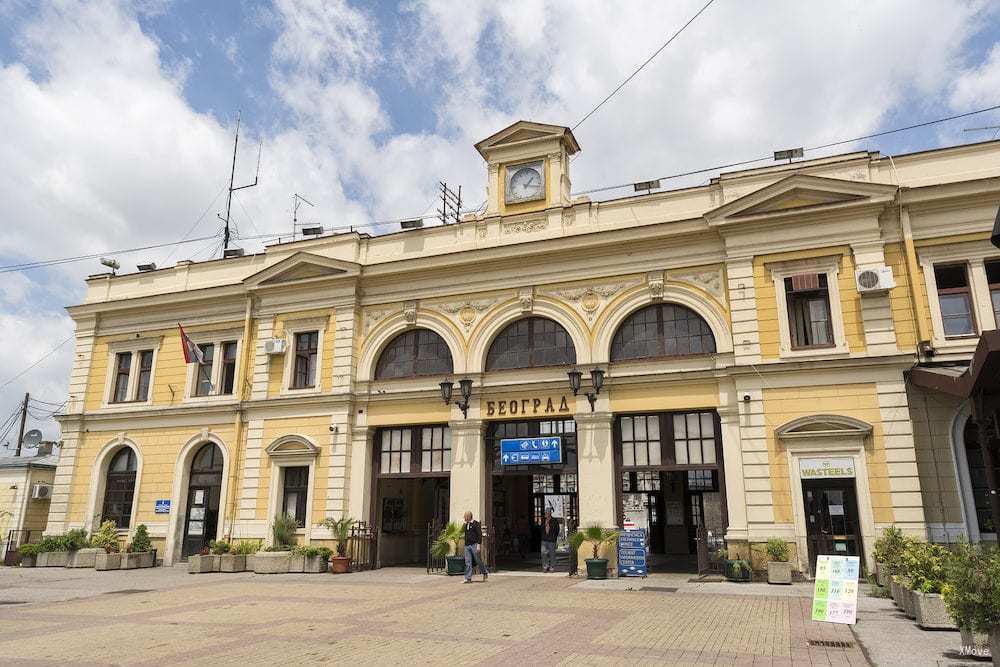
Budapest - Guide, Attractions, Tours, Sightseeings | Train from/to Budapest | Popular RoutesBelgrade ( BEL-grayd; Serbian: Beograd / Београд, lit. 'White City', pronounced [beǒɡrad] ; names in other languages) is the capital and largest city of Serbia. It is located at the confluence of the Sava and Danube rivers and the crossroads of the Pannonian Plain and the Balkan Peninsula. The urban area of Belgrade has a population of 1.23 million, while nearly 1.7 million people live within the administrative limits of the City of Belgrade (which encompasses almost all of its metropolitan area), a quarter of total population of Serbia.One of the most important prehistoric cultures of Europe, the Vinča culture, evolved within the Belgrade area in the 6th millennium BC. In antiquity, Thraco–Dacians inhabited the region and, after 279 BC, Celts settled the city, naming it Singidūn. It was conquered by the Romans under the reign of Augustus and awarded Roman city rights in the mid-2nd century. It was settled by the Slavs in the 520s, and changed hands several times between the Byzantine Empire, the Frankish Empire, the Bulgarian Empire and the Kingdom of Hungary before it became the seat of the Serbian king Stefan Dragutin in 1284. In 1521, Belgrade was conquered by the Ottoman Empire and became the seat of the Sanjak of Smederevo. It frequently passed from Ottoman to Habsburg rule, which saw the destruction of most of the city during the Austro-Ottoman wars. Belgrade was again named the capital of Serbia in 1841. Northern Belgrade remained the southernmost Habsburg post until 1918, when it was attached to the city, due to former Austro-Hungarian territories becoming the part of the new [Kingdom of Serbs, Croats and Slovenes], after [world war I]. In a fatally strategic position, the city was battled over in 115 wars and razed 44 times. Belgrade was the capital of Yugoslavia from its creation in 1918 to its dissolution in 2006. Being Serbia's primate city, Belgrade has special administrative status within Serbia. It is the seat of the central government, administrative bodies, and government ministries, as well as home of almost all of the largest Serbian companies, media, and scientific institutions. Belgrade is classified as a Beta-Global City.
Belgrade - Guide, Attractions, Tours, Sightseeings | Train from/to Belgrade | Popular Routes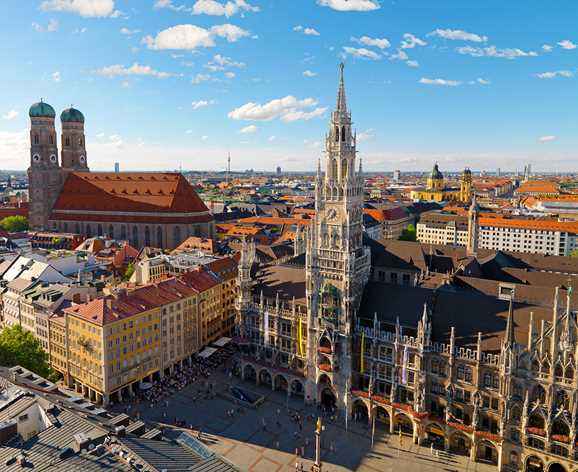
Hungary Train Tickets
Scan QR code, download App to see Budapest's more live update, station guide, plan and photos
Hot Journeys
* Manarola -> La Spezia(La Spezia)
* Stuttgart -> Frankfurt Airport(Frankfurt Flughafen)
* Interlaken -> Swiss Alps Jungfrau Aletsch
* Milan -> Florence
* Turin(Torino) -> Milan
* Naples -> Rome(Roma)
* Paris -> Nice
* Swiss Alps Jungfrau Aletsch -> Lauterbrunnen