Cologne to Interlaken Ost: Trains, Buses, Fares, Today's Connections, Routes, Duration, Types of Trains, Station Guides, Tips, Journey

Germany Train Tickets

Scan QR code, download App to see Cologne's more live update, station guide, plan and photos
apple-store google-store

Train schedule Cologne(Köln) to Interlaken Ost


Popular train routes departing from Cologne(Köln)


Popular train routes arriving in Cologne(Köln)


Popular train routes departing from Interlaken Ost


Popular train routes arriving in Interlaken Ost


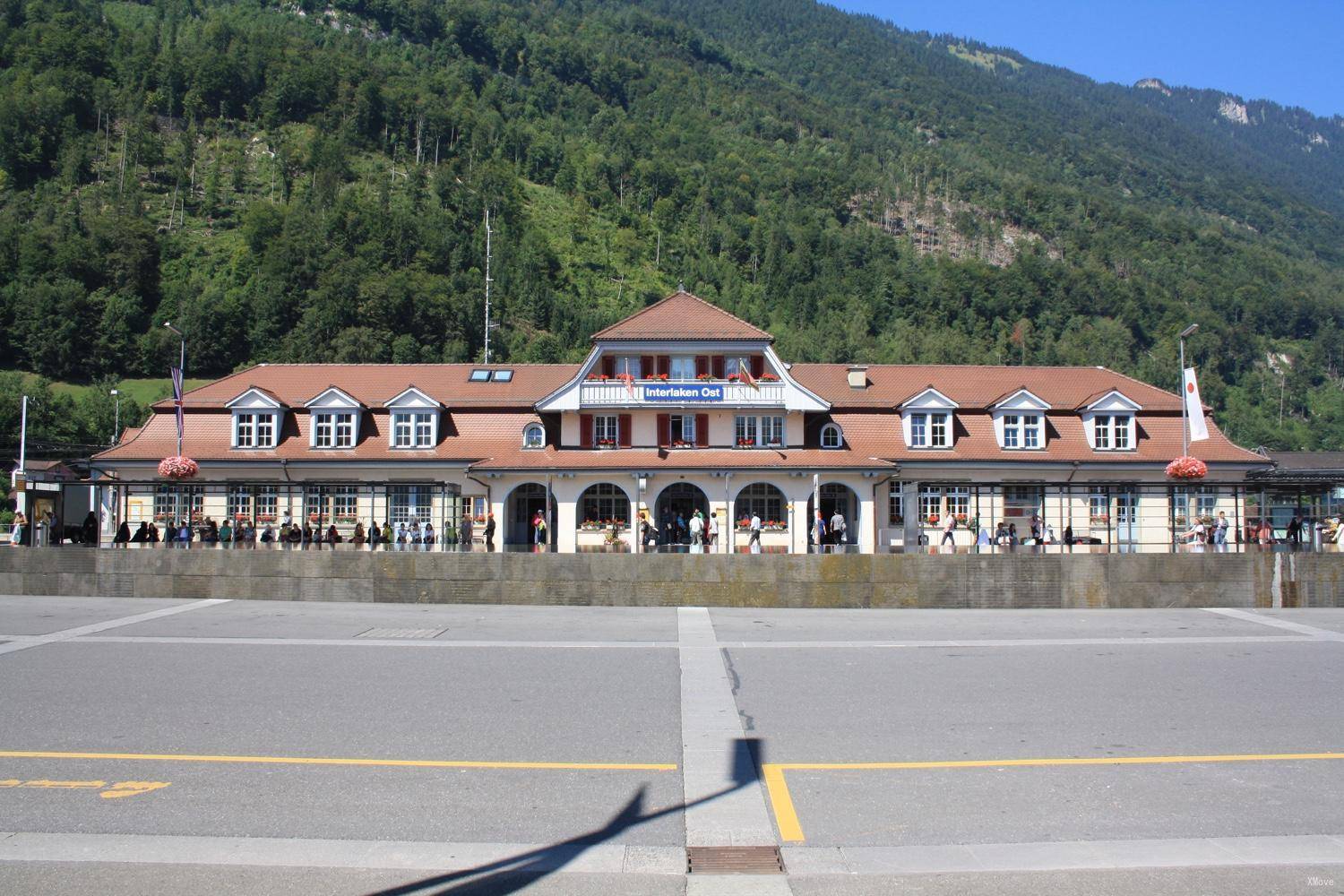
Interlaken Ost

The main purpose of the Interlaken East Railway Station is to become a transfer station between the main train and two independent railways.

  • Zentralbahn Railway (ZB)
  • Berne Oberland Railway / Berner Oberland Bahn (BOB)

It is worth noting that the left suitcase facility at Interlaken Ost closes at 18:30.

Entering eastern Interlaken from other Swiss cities:

The only long-distance express train that SBB provides for direct service to Interlaken Ost is the Basel-Olten-Bern-Thun-Spiez-Interlaken route.

If you are travelling from Geneve or Lausanne to Interlaken, you will need to connect these trains in Bern.

If your trip to eastern Interlaken starts in Visp or Brig, you need to change trains in Spiez

If you are going from Zurich to eastern Interlaken, you have two options;

  • Travel by SBB train and travel in Bern or
  • Take the SBB train from Zurich to Lucerne and connect to the Luzern-Interlaken Express (ZB train).
  • Some of the trains on this route are German ICE trains from Berlin, Frankfurt (main) and Karlsruhe to Interlaken.

Interlaken West Station:

If you are going to the centre of Interlaken, please leave the train when you arrive at Interlaken West Station, which is the train station in front of Interlaken East Station.

Visit Harderbahn:

The base station of the Harderbahn Cable Car is just a 5-minute walk from Interlaken East Station.

Interlaken Ost - Station Guide | Departures and Arrivals | Popular Routes
Destination

Departure

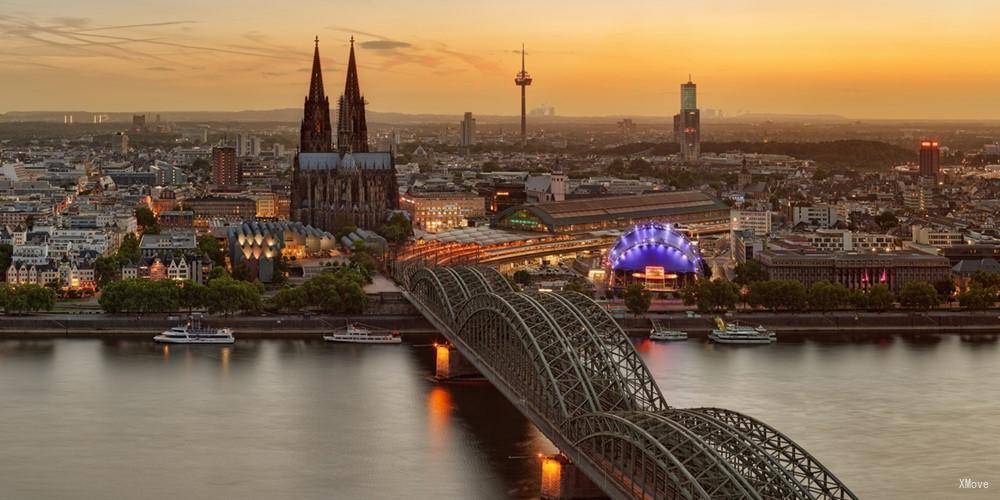
Cologne (English: kə-LOHN; German: Köln [kœln] ; Ripuarian: Kölle [ˈkœlə] ) is the largest city of Germany's most populous federal state of North Rhine-Westphalia and the fourth most populous city in Germany after Berlin, Hamburg, and Munich. With slightly over a million inhabitants (1.08 million) within its city boundaries, Cologne is the largest city on the Rhine and also the most populous city both of the Rhine-Ruhr Metropolitan Region, which is Germany's largest and one of Europe's major metropolitan areas, and of the Rhineland. Centered on the left bank of the Rhine, Cologne is about 45 kilometres (28 mi) southeast of North Rhine-Westphalia's capital of Düsseldorf and 25 kilometres (16 mi) northwest of Bonn. It is the largest city in the Central Franconian and Ripuarian dialect areas. The city's Cologne Cathedral (Kölner Dom) is the seat of the Catholic Archbishop of Cologne. There are many institutions of higher education in the city, most notably the University of Cologne (Universität zu Köln), one of Europe's oldest and largest universities, the Technical University of Cologne (Technische Hochschule Köln), Germany's largest university of applied sciences, and the German Sport University Cologne (Deutsche Sporthochschule Köln), Germany's only sport university. Cologne Bonn Airport (Flughafen Köln/Bonn) is Germany's seventh-largest airport and lies in the southeast of the city. The main airport for the Rhine-Ruhr region is Düsseldorf Airport. Cologne was founded and established in Ubii territory in the 1st century AD as the Roman Colonia Claudia Ara Agrippinensium, the first word of which is the origin of its name. An alternative Latin name of the settlement is Augusta Ubiorum, after the Ubii. "Cologne", the French version of the city's name, has become standard in English as well. Cologne functioned as the capital of the Roman province of Germania Inferior and as the headquarters of the Roman military in the region until occupied by the Franks in 462. During the Middle Ages the city flourished as being located on one of the most important major trade routes between east and west in Europe. Cologne was one of the leading members of the Hanseatic League and one of the largest cities north of the Alps in medieval and Renaissance times. Prior to World War II the city had undergone several occupations by the French and also by the British (1918–1926). Cologne was one of the most heavily bombed cities in Germany during World War II, with the Royal Air Force (RAF) dropping 34,711 long tons (35,268 tonnes) of bombs on the city. The bombing reduced the population by 95%, mainly due to evacuation, and destroyed almost the entire city. With the intention of restoring as many historic buildings as possible, the successful postwar rebuilding has resulted in a very mixed and unique cityscape. Cologne is a major cultural centre for the Rhineland; it hosts more than 30 museums and hundreds of galleries. Exhibitions range from local ancient Roman archeological sites to contemporary graphics and sculpture. The Cologne Trade Fair hosts a number of trade shows such as Art Cologne, imm Cologne, Gamescom, and the Photokina.

Cologne - Guide, Attractions, Tours, Sightseeings | Train from/to Cologne | Popular Routes

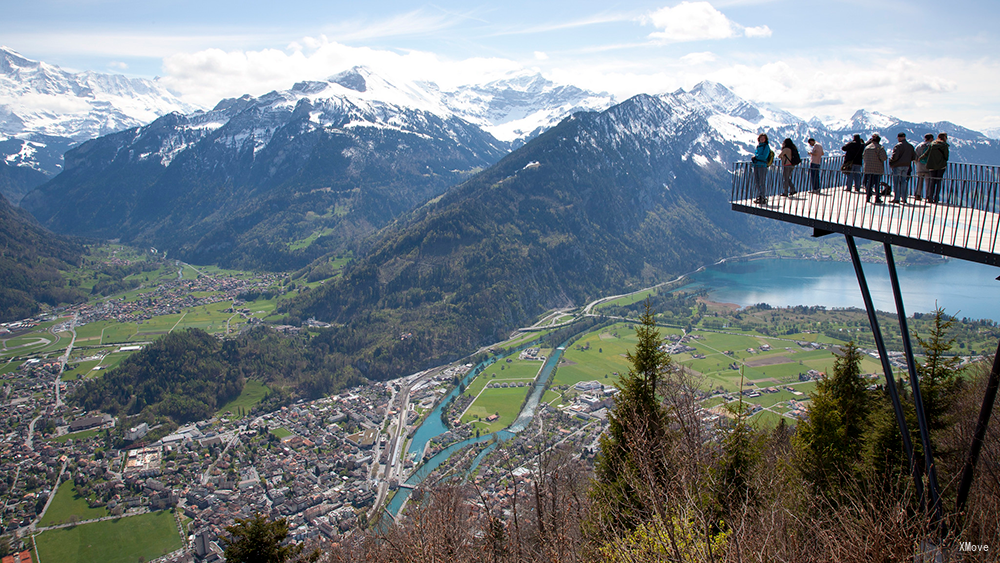
Interlaken (German pronunciation: [ˈɪntɐlakn̩]; lit.: between lakes) is a Swiss town and municipality in the Interlaken-Oberhasli administrative district in the canton of Bern. It is an important and well-known tourist destination in the Bernese Highlands region of the Swiss Alps, and the main transport gateway to the mountains and lakes of that region. The town is located on the flat alluvial land called Bödeli between the two Lakes of Brienz to the east and Thun to the west and alongside the river Aare, which flows from one to the other. Transport routes to the east and west alongside the lakes are complemented by a route southwards into the near mountain resorts and high mountains, e.g. the famous high Alpine peaks of Eiger, Mönch, and Jungfrau, following upwards the Lütschine. Interlaken is the central town of a Small Agglomeration with the same name of 23,300 inhabitants.The official language of Interlaken is (the Swiss variety of Standard) German, but the main spoken language is the local variant of the Alemannic Swiss German dialect.

Interlaken - Guide, Attractions, Tours, Sightseeings | Train from/to Interlaken | Popular Routes
Destination

Germany Train Tickets

Scan QR code, download App to see Cologne's more live update, station guide, plan and photos
apple-store google-store

Hot Journeys


Main Railway Operators


Ultimate Guide to German Railway

German Railway

Ultimate Guide to German Railways

For those who love to travel, the quality and service of German Railways (Deutsche Bahn AG or German Railway abbreviated as DB) are world-class, with free entry and exit without ticket gates, ICE high-speed trains with a speed of nearly 300 kilometers per hour, and dense With the railway network and precise and punctual schedules, if you want to enjoy the way of traveling through the state and provinces on the train, Germany can be said to be the best choice.

There are approximately 37,000 trains operating in Germany every day. Most of the trains are operated by 24 railway companies under Deutsche Bahn. Deutsche Bahn also has the world's third densest railwa...


Ultimate Guide to Flixbus

Flixbus

Ultimate Guide To FlixBus/FlixTrain

Friends who live in Europe know that buses are currently one of the cheapest ways to travel in Europe. Flixbus is currently the largest long-distance bus company in Europe.

At present, Flixbus not only does business in popular tourist cities, but most of the large residential towns in Europe have bus stations, including Germany, France, Italy, Netherlands, Poland, Czech Republic, Denmark, Sweden, Norway, Switzerland, Spain , Portugal, Hungary, Austria, Croatia, Belarus and other countries. Among them, the German route is the cheapest. Flixbus began to expand to the United States in 2018, and currently has thousands of sites in the United States. ...

Ultimate Guide to French Railway

French Railway

Ultimate Guide to French Railway

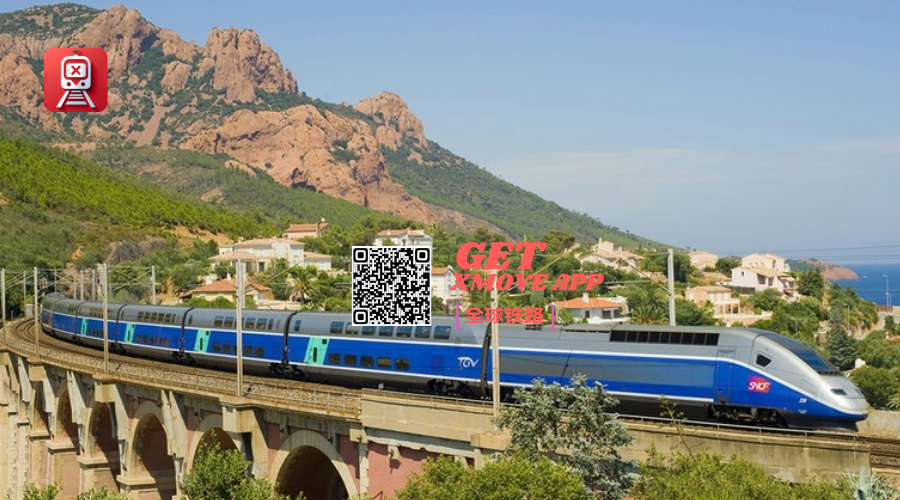
The French railway system is planned and constructed by the French National Railway Agency (Socicte Nationalc des Chemins de Fer Francais, abbreviated as SNCF). The route is centered on Paris and woven in all directions, including high-speed trains (Train a Grande Vitesse, abbreviated as TGV). Routes, and general train routes that go to cities and towns. Among these general train routes, the nationwide inter-regional route is called the "Grande Ligne" (GL for short), and the routes that only travel within a single area are collectively called "Regional Rapid Transport System" (Transports Express Regionaux, referred to as TER).

(https://sematicweb.detie.cn/railways/...

Ultimate Guide to Austrian National Railway

Austrian National Railway

Ultimate Guide to Austrian Railways

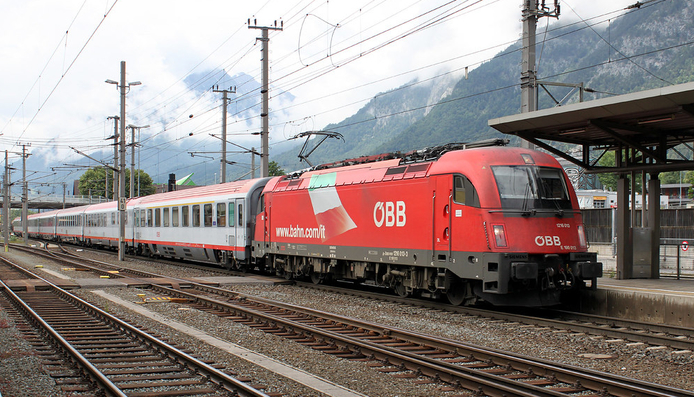
Traveling through Austria by train is now getting faster and easier. The best way to explore Austria is to travel through magnificent mountain views, lush alpine meadows, historic towns and picturesque villages. Austria is located in the central part of the European continent adjacent to Germany and Italy. It also borders the Czech Republic, Slovakia, Hungary, Slovenia, Liechtenstein and Switzerland. Its train network is well connected to surrounding countries. With a punctuality rate of 96%, ÖBB was one of the most reliable railway operators in Europe in 2018.

Austria’s main train service operator is the state-owned company ÖBB, which serves almost the entire country. There are some private railway companies that are not part of ÖBB. In the corr...